Fatty Liver Causes in Tamil (கொழுப்பு கல்லீரல்) | Podcast

Need expert consultation? Book an appointment with Dr. Babu Elangovan.
Book AppointmentThe audio player above has the full episode in Tamil. Below is an English summary, with a few added notes from Dr. Babu's clinic.
Understanding Fatty Liver
Non-alcoholic fatty liver disease (NAFLD), recently reclassified as Metabolic Dysfunction-Associated Steatotic Liver Disease (MASLD), has become one of the most common medical findings in my practice. While many patients initially feel healthy, the underlying causes of fatty liver, in Tamil Nadu and globally, are often rooted in metabolic changes that have been quietly accumulating for years. Often, patients discover this condition accidentally during routine abdominal ultrasounds for unrelated issues like mild abdominal pain or a general check-up. This discovery can be alarming, but it is also a vital opportunity to intervene before the condition progresses to something irreversible. As a surgical gastroenterologist, my role is to provide you with a clear, honest assessment of why this happens and, more importantly, what you can do about it.
Why Fatty Liver is Often Found by Chance
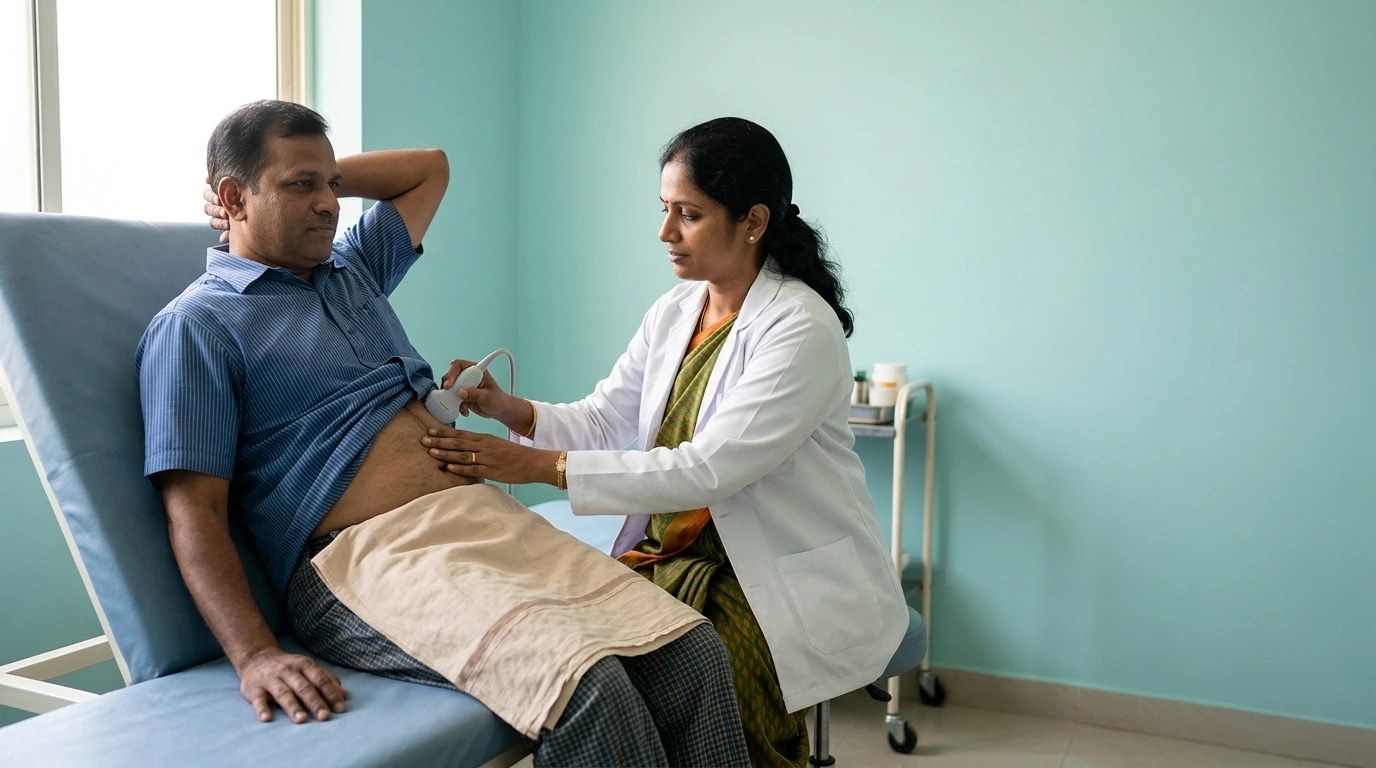
The liver is a resilient organ. It rarely complains until it is significantly damaged, which is why fatty liver disease is frequently called a "silent" condition. In my clinic, I see many patients who come in for a completely different reason, perhaps an annual health screening or a check for gallbladder stones, only to be told their ultrasound shows a "bright liver" or "increased echogenicity."
This incidental finding is actually a blessing in disguise. The liver tissue itself has few pain nerves; pain comes from stretching of its outer capsule, so you cannot "feel" the fat accumulation. By the time you notice symptoms like fatigue, jaundice, or swelling in the legs, the liver is often already in a state of advanced distress. Finding it by chance allows us to act while the liver is still in the early, reversible stages. If you have received this report, do not panic, but do not ignore it. It is a signal from your body that your metabolic health requires attention. For a deeper look at how this condition is researched and managed, you can read about my research work on fatty liver (NAFLD / MASLD).
Why Fatty Liver Causes Concern: From Fat to Fibrosis
It is a common misconception that fatty liver is simply "a little extra weight" on the organ. In reality, it is a progressive disease process. When the liver is overloaded with fat, it triggers a chronic inflammatory response. Over time, this inflammation causes the liver cells to die and be replaced by scar tissue. This process is called fibrosis.
The progression typically follows a predictable, albeit dangerous, path:
- Simple Steatosis: This is the accumulation of fat without significant inflammation or damage.
- NASH (Steatohepatitis, now called MASH): Here, the fat accumulation is now accompanied by liver inflammation and cell injury.
- Fibrosis (Stages F1–F4): The inflammation leads to the formation of scar tissue. F1 is mild scarring, F2 significant (moderate) scarring, F3 advanced scarring, and F4 is cirrhosis.
- Cirrhosis: At this stage, the liver is permanently scarred, hardened, and unable to function correctly.
Once a patient reaches cirrhosis, the risk of liver failure, internal bleeding, and liver cancer increases significantly. If cirrhosis progresses to liver failure, a transplant may become the only definitive treatment. Understanding that this is a spectrum is crucial: the goal of our clinical intervention is to stop the progression at the earliest possible stage. You can learn more about the critical turning points in this progression in my article on when fatty liver disease becomes serious.
Common Fatty Liver Causes: What You Need to Know
In Tamil Nadu, as elsewhere, the causes of fatty liver are largely driven by modern lifestyle factors. While genetics play a role, the primary drivers are metabolic.
Metabolic Health and Your Liver
Your liver is the metabolic powerhouse of your body. When you consume more calories than you burn, particularly in the form of refined carbohydrates and fructose, the liver converts this excess energy into fat. This is not the same as the fat you see under your skin; this fat is stored inside the liver cells themselves, separate from the fat under your skin. Obesity, particularly central obesity (fat around the abdomen), is the single most significant risk factor. Metabolic syndrome (high blood pressure, high triglycerides, a large waist and raised blood sugar together) and high LDL cholesterol are also strongly linked to fatty liver. Even in patients who are not significantly overweight, "hidden" fat, often called visceral adiposity, can cause the same damage. This is why lean NAFLD/MASLD is a real and dangerous clinical entity that we must screen for.
The Link Between Diabetes and Liver Fat
Diabetes and fatty liver are two sides of the same coin. When you have insulin resistance, your body cannot process blood sugar effectively. This forces the liver to work overtime, storing the excess glucose as fat. In my practice, I frequently see patients with Type 2 diabetes who also have advanced fatty liver disease. The two conditions feed into each other: the fatty liver worsens insulin resistance, which in turn makes blood sugar control harder, which then accelerates liver fat accumulation. It is a vicious cycle that must be broken through strict medical management of both conditions.
Diagnosis: How We Assess Liver Health
When a patient walks into my clinic with a report of a "fatty liver," we do not simply advise them to "lose weight." We must quantify the damage.
Ultrasound Findings
An ultrasound is an excellent screening tool. It is non-invasive and gives us an immediate visual of the liver’s texture. If the ultrasound shows increased echogenicity, it confirms the presence of fat. However, an ultrasound cannot tell us if there is scarring (fibrosis) or the extent of that scarring. It is a "yes or no" test for fat, not a "how bad is it" test for damage.
Measuring Stiffness with FibroScan
To understand the true state of your liver, we use a specialized tool called a FibroScan. This is the most widely used non-invasive test. It uses transient elastography to measure the "stiffness" of your liver. A healthy liver is soft and elastic; a scarred, cirrhotic liver is stiff.
- F0–F1: Minimal or no scarring.
- F2: Significant (moderate) scarring.
- F3: Advanced scarring.
- F4: Cirrhosis (advanced scarring).
This technology allows us to stage your disease without the need for a painful liver biopsy in the vast majority of cases. It provides a baseline, so we can track whether your lifestyle changes are actually working over the coming months and years.
Can Fatty Liver Be Reversed?
I am often asked if fatty liver is permanent or can be reversed. Yes, in the early stages it can be reversed: fat alone, inflammation, and mild to moderate scarring. Once cirrhosis has set in, the scarring is usually permanent, but stopping further damage still matters.
The Truth About Medications
There is a pervasive myth that there is a "liver tonic" or a "magic pill" that can melt away liver fat. Let me be very clear: no tablet or tonic replaces lifestyle change. A few prescription medicines are used for selected patients with advanced inflammation or scarring, but only under a specialist's supervision. Many supplements and tonics marketed online are not only ineffective but can sometimes place an unnecessary burden on your liver. Do not waste your time or money on these quick fixes. The foundation of treatment is discipline.
Lifestyle Changes: The Foundation of Treatment
Reversing fatty liver requires a fundamental shift in how you live. This is not about a temporary diet; it is about permanent change.
- Weight Loss: Losing 7–10% of your body weight can significantly reduce liver fat and even reverse some stages of fibrosis.
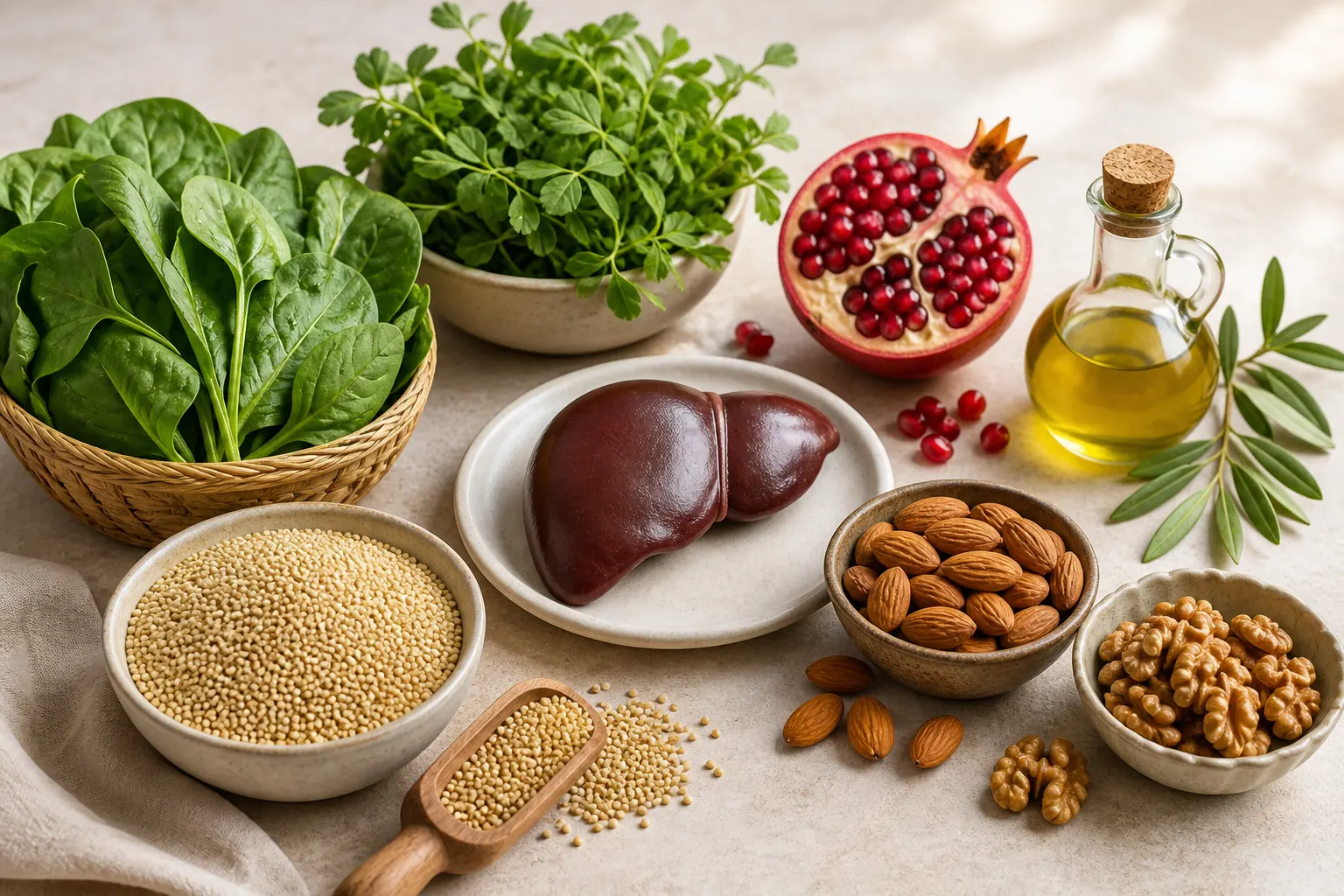
- Dietary Discipline: You must cut out sugar, sweets, sweetened drinks and refined carbohydrates such as maida. These are the primary fuels for liver fat. Focus on whole foods, fiber, and lean proteins.
- Physical Activity: Regular, moderate-intensity exercise (such as brisk walking for 30–45 minutes daily) helps your muscles use glucose effectively, taking the load off your liver.
- Sugar Control: If you are diabetic, achieving tight, consistent blood sugar control is essential.
For more detailed guidance on what to avoid, you can read my resource on foods that worsen fatty liver disease.
If You Have Been Told You Have Fatty Liver: Next Steps
If you have received a diagnosis of fatty liver, you are at a crossroads. You have the power to stop the progression today.
Immediate Actions for Patients
- Get a Specialist Consultation: Do not rely on general reports. See a liver specialist (a gastroenterologist or hepatologist) to evaluate your specific risk profile.
- Quantify the Damage: Ask for a FibroScan to determine your stage (F0–F4). Knowing your number is the first step in tracking your success.
- Review Your Medications: Some medications can contribute to liver stress. Ensure your specialist reviews everything you are taking.
- Set Realistic Goals: Aim for a slow, steady weight loss of 0.5 to 1 kg per week. Rapid weight loss can actually be harmful to the liver.
When to See a Liver Specialist
You should seek a specialist if your liver enzymes (AST/ALT) are consistently elevated, if you have diabetes, or if you have been told you have high-grade fatty liver. If the condition has progressed to cirrhosis, you require specialized care to manage potential complications like fluid retention or portal hypertension. A surgeon becomes involved if weight-loss surgery is being considered, or if cirrhosis develops. Early, proactive care is the best way to prevent the need for a liver transplant later in life. I explain where surgery fits in when fatty liver needs a liver surgeon.
Fatty Liver Causes: A Summary in Tamil (கொழுப்பு கல்லீரல் காரணங்கள்)
கொழுப்பு கல்லீரல் நோய் (Fatty Liver Disease) என்பது இன்றைய காலத்தில் மிகவும் பொதுவான ஒரு பிரச்சனையாகிவிட்டது. உடல் பருமன் மற்றும் நீரிழிவு நோய் (Diabetes) ஆகியவை இதற்கு மிக முக்கியமான காரணங்களாகும். அதிக கெட்ட கொழுப்பு (LDL), வளர்சிதை மாற்ற நோய்க்குறி (Metabolic Syndrome) ஆகியவையும் இதனுடன் தொடர்புடையவை. கல்லீரலில் சேரும் இந்த கொழுப்பு கவனிக்கப்படாமல் போனால், கல்லீரலில் அழற்சி (NASH) ஏற்பட்டு, பின்னர் வடுக்களாக (Fibrosis/Cirrhosis) மாறி, எதிர்காலத்தில் கல்லீரல் செயலிழப்புக்கு வழிவகுக்கும். ஆரம்ப நிலையிலேயே கண்டறிந்தால், உடல் எடையைக் குறைத்தல், சரியான உணவுமுறை, தினசரி உடற்பயிற்சி, சர்க்கரைக் கட்டுப்பாடு ஆகியவற்றின் மூலம் கொழுப்பு கல்லீரலை சரிசெய்ய முடியும். இதைச் சரிசெய்யும் தனி மாத்திரை எதுவும் இல்லை. உங்கள் கல்லீரலின் ஆரோக்கியத்தை உறுதிப்படுத்த, ஒரு மருத்துவரை அணுகி 'ஃபைப்ரோஸ்கேன்' (FibroScan) பரிசோதனை செய்துகொள்வது மிகவும் அவசியம். வாழ்க்கை முறையில் சிறிய மாற்றங்களைச் செய்வதன் மூலம், நீங்கள் பெரிய ஆபத்துகளைத் தவிர்க்கலாம்.
If you have been told you have fatty liver and want to know where you stand, you can book an appointment online or call +91 94440 43478.
Authored by