Living With Liver Cirrhosis: What Keeps You Well
Need expert consultation? Book an appointment with Dr. Babu Elangovan.
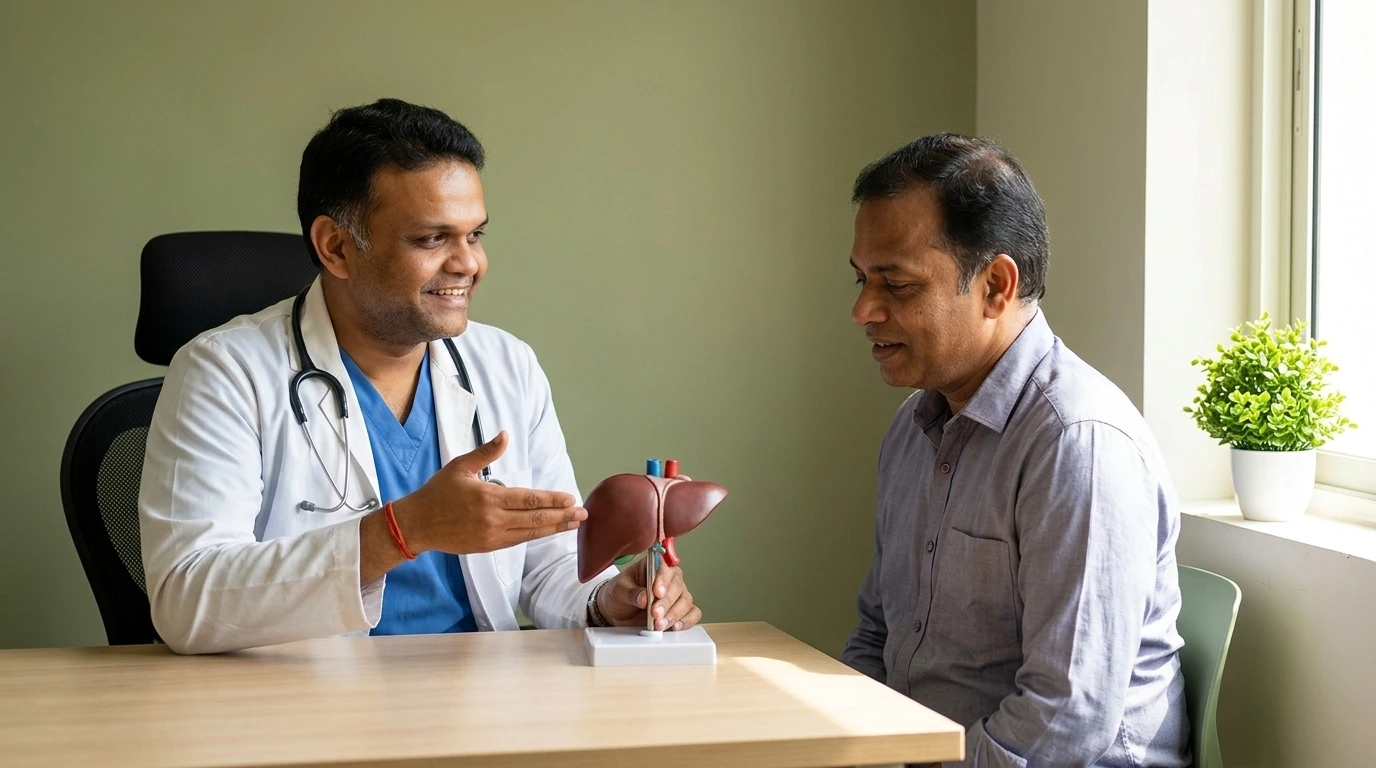
Book AppointmentReceiving a diagnosis of liver cirrhosis can feel overwhelming, but many people live well with it for years. It is the beginning of a structured, proactive partnership with your medical team. Living with liver cirrhosis requires a shift in mindset from passive treatment to active, daily management, focusing on preserving your remaining liver function, preventing complications, and significantly improving your quality of life.
Understanding Compensated vs. Decompensated Cirrhosis
To manage your health effectively, you must first understand where you stand in the disease progression. Cirrhosis is the scarring of liver tissue, but the clinical reality is divided into two distinct states: compensated and decompensated.
In the compensated phase, your liver is scarred, but it is still managing to perform its essential functions. You may have few, if any, noticeable symptoms. The goal here is preservation, preventing the condition from progressing to the next stage. We focus on lifestyle modifications, managing the underlying cause (such as viral hepatitis or fatty liver disease), and rigorous screening.
In the decompensated phase, the liver can no longer keep up with the body's demands. This is when complications like fluid buildup (ascites), confusion (hepatic encephalopathy), or jaundice appear. While this sounds alarming, it is a manageable clinical state. With the right medical treatment, some patients remain stable for long periods after a first episode of decompensation, although this is also the point at which a transplant assessment should be discussed. Understanding this distinction helps you and your family focus on the right priorities: either slowing progression or stabilizing existing symptoms. If you are unsure of your current status, it is critical to review your clinical history with a specialist, as this dictates your daily care plan.
The Importance of Regular Follow-up and Monitoring
Living with liver cirrhosis means long-term follow-up. The rhythm of your care is designed to catch small issues before they become life-threatening emergencies. You cannot "feel" how your liver is doing: blood tests and imaging provide the only reliable data.
We generally adhere to a strict 6-month surveillance schedule. This includes a Liver Function Test (LFT) to monitor synthetic function and bilirubin levels, an ultrasound of the abdomen, and an Alpha-fetoprotein (AFP) blood test. These are not merely administrative tasks; they are your primary defense against Hepatocellular Carcinoma (HCC), the most common form of primary liver cancer. Catching a tumor at the 6-month mark often means the difference between curative treatment and palliative care.
Why Tracking Your MELD Score Matters
You will often hear your hepatologist mention the MELD (Model for End-Stage Liver Disease) score. This is a mathematical calculation based on your blood work (bilirubin, creatinine, and INR). It is the universal language for assessing the severity of liver disease. Your MELD score helps us determine your priority for a liver transplant, but it also serves as a vital tool for us to track your disease trajectory. If your MELD score begins to trend upward, it is a signal to intensify your medical management or expedite transplant evaluation.
Screening for Varices
Most people with cirrhosis need an upper GI endoscopy to look for varices, swollen veins in your esophagus or stomach caused by portal hypertension. If left untreated, these can rupture and cause life-threatening bleeding. If we find them, we can often treat them proactively with banding, a simple, low-risk procedure. Some people can safely skip this endoscopy: if your FibroScan reading is below 20 kPa and your platelets are above 150,000, or if you are already on a beta-blocker. How often it is repeated depends on what was found. Never skip these appointments, even if you feel "fine."
Managing Ascites and Fluid Retention at Home
One of the most common and uncomfortable complications of cirrhosis is ascites, or the buildup of fluid in the abdominal cavity. Diuretics (water pills) are the main medical treatment, but what you eat at home matters just as much.
Salt Awareness: The Indian Kitchen Challenge
Moderate salt restriction, together with diuretics, is the foundation of ascites treatment, yet it is hard to follow in an Indian household. Sodium causes your body to retain water, which directly worsens fluid buildup. Aim for about 5 g of salt a day in total (roughly one level teaspoon, including salt already in food). Do not go salt-free: food you cannot eat worsens malnutrition. Keeping to this means more than putting the salt shaker away; it means avoiding "hidden" salts.
Common culprits in the Indian diet include:
- Pickles and Chutneys: These are incredibly high in sodium and should be avoided entirely.
- Papad and Appalam: These are often heavily salted; opt for salt-free alternatives or avoid them.
- Salted Buttermilk: Stick to plain curd thinned with water, without added salt.
- Packaged Snacks: Avoid mixtures, murukku, and processed biscuits.
- Processed Meats and Canned Foods: These are loaded with salt.
When to Contact Your Medical Team About Swelling
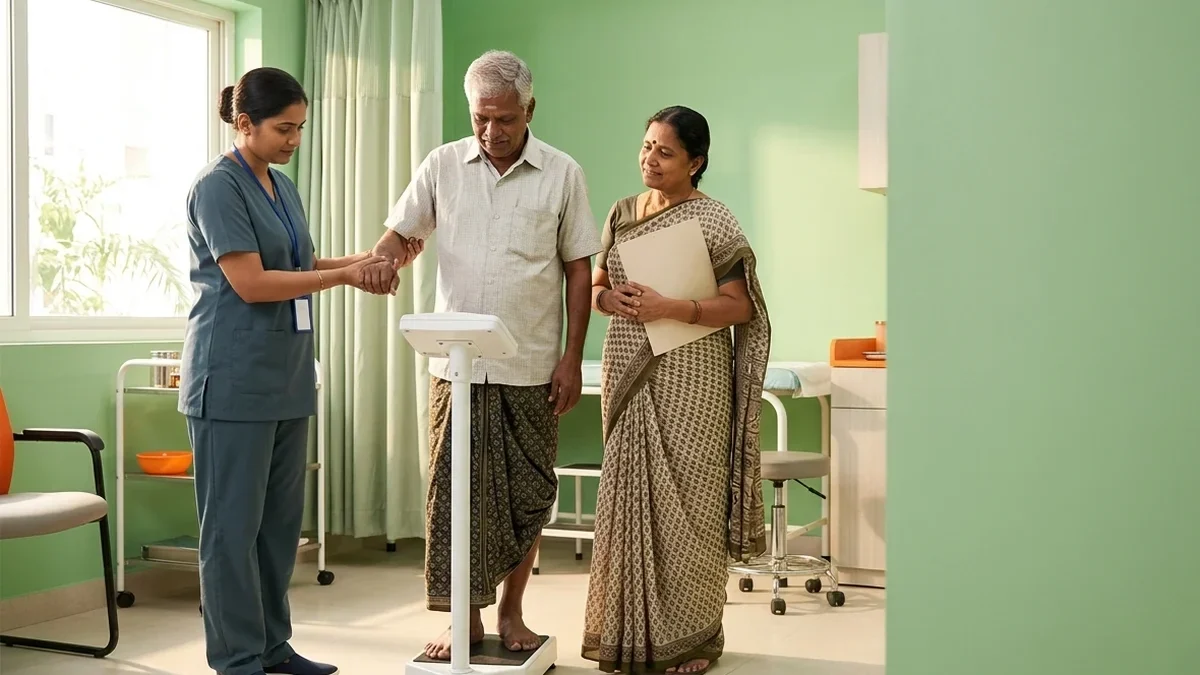
If you notice rapid weight gain (more than 1-2 kg in a few days), increased abdominal girth, or swelling in your ankles that does not go away with elevation, you must contact us. While we may adjust your diuretic dosage, there are times when the fluid accumulation is too significant for pills alone. In these cases, your liver team may perform a therapeutic paracentesis, a procedure to drain the excess fluid, providing immediate relief and improving your breathing and comfort.
Preventing Variceal Bleeding: A Critical Priority
Portal hypertension, the high pressure in the veins carrying blood to the liver, is the engine behind many cirrhosis complications. When this pressure rises, blood looks for alternative routes, creating varices. These fragile, dilated veins are similar to varicose veins in the legs, but because they are internal, they are dangerous.
The most common medicine your liver team prescribes to manage this is a non-selective beta-blocker (like propranolol or carvedilol). These drugs lower the pressure in the portal vein, reducing the risk of a rupture. It is vital that you take these exactly as prescribed and do not stop them abruptly, as this can cause a rebound effect. Your team may reduce or pause it if your blood pressure falls or your kidneys are affected; never adjust it yourself.
However, you must be vigilant for "Red Flag" symptoms. If you experience vomiting of blood (which may look like bright red blood or coffee grounds) or pass black, tarry, foul-smelling stools (melena), this is a medical emergency. Do not wait for your scheduled appointment. Go to the nearest emergency department and alert your surgical team immediately. These symptoms indicate a bleed that requires urgent intervention, likely through an endoscopic procedure to band or glue the bleeding vessel.
Recognizing and Managing Hepatic Encephalopathy
Hepatic Encephalopathy (HE) is a condition where the liver fails to filter toxins from the blood, allowing them to reach the brain. This causes a range of symptoms from mild confusion and disrupted sleep cycles (sleeping during the day and staying awake at night) to severe disorientation.
Why Constipation is a Warning Sign
Constipation is one of the commonest triggers, along with infection, bleeding, dehydration and sleeping pills. When stool sits in the colon, bacteria produce ammonia, which is absorbed into the bloodstream and travels to the brain. Your liver team will usually prescribe lactulose to ensure you have regular, soft bowel movements, ideally two to three times a day. If you become constipated, your risk of an HE episode increases dramatically. Treat constipation as a medical priority.
Empowering Caregivers to Spot Early Confusion
Often, the patient is the last person to notice HE. Caregivers play a vital role. Watch for subtle changes: is your loved one forgetting simple tasks? Are they struggling with handwriting? Are they more irritable or lethargic than usual? If you notice these signs, contact us. We may need to adjust your medications (such as adding rifaximin) or investigate other triggers like dehydration or infection.
Medications and Supplements: What to Avoid
Your liver is the primary metabolic factory of your body. When you have cirrhosis, this factory is compromised, and many substances that are typically safe become toxic.
- Painkillers: Avoid NSAIDs (Non-Steroidal Anti-Inflammatory Drugs) like ibuprofen, diclofenac, aspirin, and naproxen. These can cause severe kidney damage in cirrhosis patients and increase the risk of bleeding. If you need pain relief, paracetamol (acetaminophen) is generally safer, but only in limited doses and under our direct supervision.
- Herbal Remedies and "Detox" Teas: There is no scientific evidence that herbal supplements "cleanse" a scarred liver. In fact, many unregulated herbal remedies, Ayurvedic preparations, or "liver detox" teas contain compounds that can cause acute liver injury, pushing a stable patient into liver failure.
- Sedatives and Sleeping Pills: Many sedatives are processed by the liver. Using them can trigger or worsen hepatic encephalopathy. Always clear any new medication, even over-the-counter cough syrups or herbal supplements, with your medical team before taking them.
Nutrition, Exercise, and Muscle Preservation
Cirrhosis often leads to sarcopenia, which is the loss of muscle mass. This is not just a cosmetic issue; muscle is where your body stores energy. Losing muscle mass decreases your survival rate and increases the risk of complications.
You require a high-protein diet to combat this. Many patients mistakenly restrict protein out of fear of HE, but this is a dangerous myth. You need protein to maintain muscle. Focus on lean sources like dal, pulses, eggs, lean chicken, and fish. If you find it difficult to eat large meals, try eating 5-6 small, protein-rich snacks throughout the day instead of three large meals, and a bedtime snack, which reduces overnight muscle breakdown.
Additionally, maintain light, consistent physical activity. Walking is excellent. If you are fatigued, rest, but do not become sedentary. A consistent sleep schedule also helps manage the fatigue that often accompanies liver disease. If you are struggling with nutritional planning, we often refer our patients to a dietitian who specializes in liver health.
Infection Prevention and Vaccination
Your immune system is weakened when you have cirrhosis. This makes you susceptible to infections, some of which can be life-threatening. One specific concern is Spontaneous Bacterial Peritonitis (SBP), an infection of the fluid in your abdomen. Even if you do not have ascites, you are at higher risk for pneumonia and urinary tract infections.
Vaccination is your best defense. We strongly recommend that all our cirrhosis patients stay up-to-date with:
- Hepatitis A and B: If you are not already immune.
- Influenza: A yearly flu shot.
- Pneumococcal Vaccine: To protect against pneumonia.
If you develop a fever, chills, or unexplained abdominal pain, do not assume it is a "viral fever." Contact your doctor immediately. Infections in cirrhosis patients can escalate very quickly, and early antibiotic treatment is crucial.
The Role of Absolute Alcohol Abstinence
This point cannot be overstated: if you have cirrhosis, alcohol is a poison to your liver, regardless of the original cause of your condition. Even if your cirrhosis was caused by fatty liver or a viral infection rather than alcohol, drinking will accelerate the scarring process and significantly increase your risk of liver cancer and sudden decompensation.
There is no "safe" level of alcohol consumption for a cirrhotic liver. If you find it difficult to stop, please be honest with us. We are not here to judge; we are here to help you survive. We can connect you with counseling, support groups, or medications to manage cravings. Your commitment to total abstinence is one of the most powerful tools you have to slow the progression of your disease.
Considering Liver Transplant Evaluation Early
Many patients view a liver transplant as a "last resort" for when they are on their deathbed. This is a dangerous misconception. A liver transplant is a life-saving procedure. Transplant assessment is recommended after the first major complication (ascites, variceal bleeding, encephalopathy or jaundice), when your MELD score reaches about 15, or if liver cancer is found.
Early evaluation allows us to assess your overall health, ensure you are a candidate, and get you on the waiting list before you become too frail to survive the surgery. We want to perform a transplant when you are strong enough to recover, not when you are fighting for your life in an ICU.
If you have cirrhosis, it is worth discussing your transplant status with your medical team. You can learn more about the process in Living Donor vs Deceased Donor Liver Transplant: What to Know. Understanding these options early gives you and your family time to prepare, both medically and financially, which reduces the stress when the time for surgery arrives.
When to Call Your Doctor Urgently
With cirrhosis, it is always better to call early. You should contact your medical team immediately if you experience any of the following "Red Flags":
- Vomiting blood or material that looks like coffee grounds.
- Passing black, tarry, or bloody stools.
- Sudden or worsening confusion, irritability, or extreme sleepiness during the day.
- High fever (over 100°F) or chills.
- Severe abdominal pain that is new or worsening.
- Rapid weight gain or significant increase in abdominal swelling.
- Persistent jaundice (yellowing of eyes or skin) that is worsening.
Keep the location of your nearest emergency department in mind, and read warning signs of cirrhosis you should not ignore with your family so that everyone at home knows what to look for. If you are currently feeling unwell, do not wait for your next appointment. Acting early on warning signs is what keeps people with cirrhosis well.
Ongoing Care and a Second Opinion
Living with liver cirrhosis is complex, but you do not have to navigate it alone. You need a team that understands both the medical management of chronic liver disease and the surgical pathways for potential transplantation. I work alongside hepatologists to look after patients across Chennai, from the first diagnostic evaluation to long-term care after surgery.
Whether you want a second opinion on your current treatment plan, need guidance on complications like ascites or varices, or are ready to discuss transplant evaluation, you can book an appointment online or call +91 94440 43478.
Authored by